Four Years Is Longer Than Nigerians Think
History is filled with leaders who spent relatively short periods in office yet altered the trajectory of their nations permanently. Franklin D. Roosevelt transformed American confidence within his famous first hundred days during the Great Depression. Nelson Mandela served only one term as president of South Africa, yet his moral leadership stabilised a fragile post apartheid nation and helped prevent racial catastrophe. John F. Kennedy governed for barely a thousand days before his assassination, but his economic and space policies reshaped American ambition for generations. Jerry Rawlings, despite the controversies surrounding his earlier military years, laid foundations for institutional stability and economic reforms that later strengthened Ghana’s democratic journey. Umaru Musa Yar’Adua spent only about three years in office, yet many Nigerians still remember his relative humility, rule of law posture, and the Niger Delta amnesty programme that significantly reduced militancy at the time.
The lesson is simple. Nations do not always change because leaders stay forever. Sometimes they change because the right decisions are taken early, courageously, and consistently. By the time Nigerian politicians finish promising heaven, earth, and uninterrupted electricity from Kaura Namoda to Nembe, many citizens have usually lost count of how many times they have heard the phrase, “Give us eight years.” In Nigeria, power often behaves like a tenant who refuses to leave after the rent has expired. Every administration enters with a convoy of promises and then suddenly develops amnesia once the sirens begin to sound and the agbadas start flowing into the presidential villa.
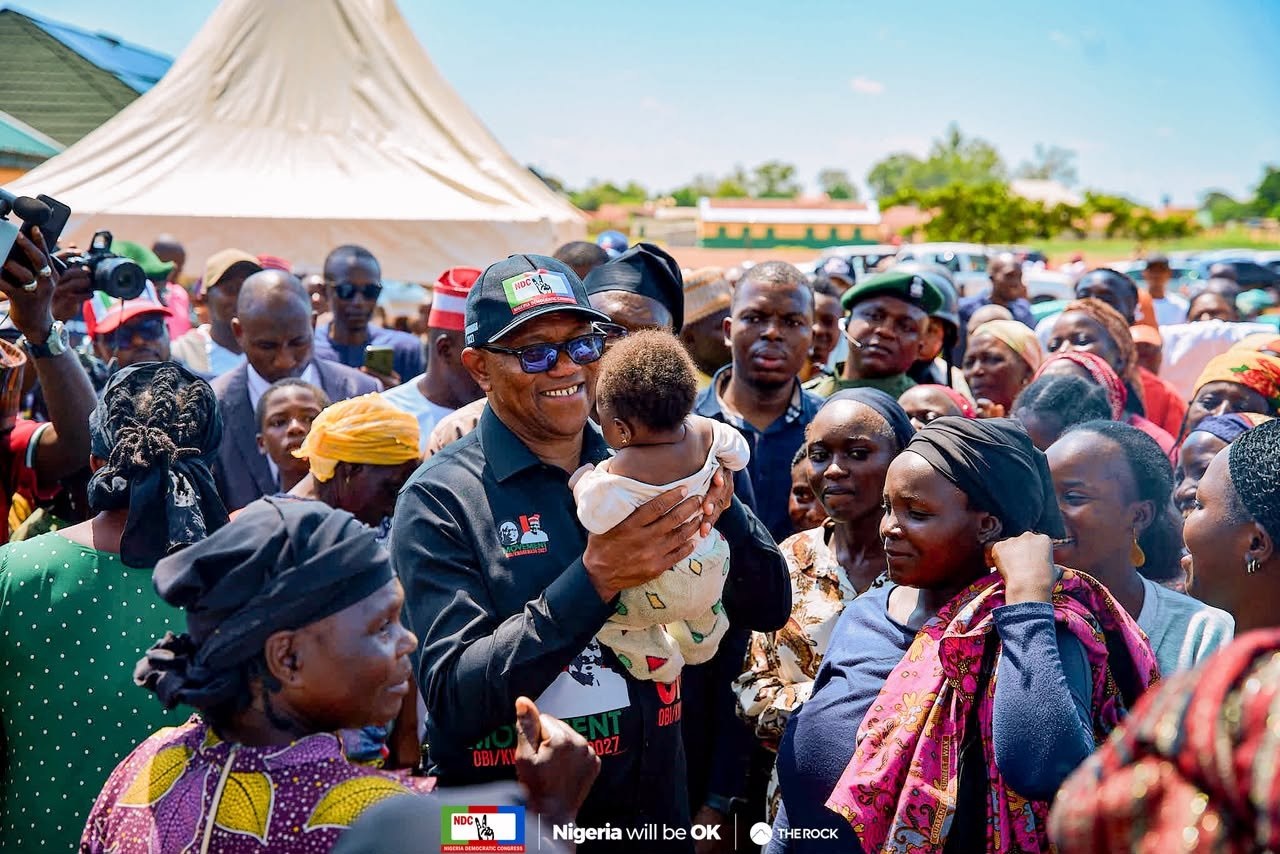
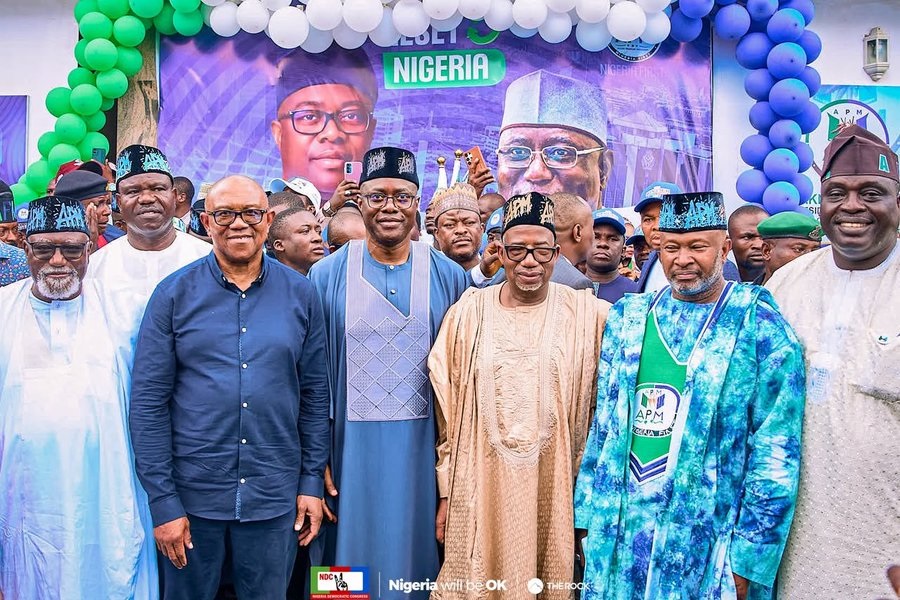
So when Peter Obi repeatedly says he can make meaningful changes in Nigeria within four years, many Nigerians instinctively raise their eyebrows. In this country, scepticism is not pessimism. It is survival instinct. Yet, if emotions, tribe, religion, and social media noise are removed from the table, Obi’s argument deserves careful examination. Can a president genuinely transform Nigeria in four years? The short answer is yes. The longer answer is that history has already shown us that nations can change direction rapidly when competence, discipline, urgency, and political will converge at the same time.
Nigeria’s greatest tragedy is not lack of resources. It is the normalisation of waste and the institutionalisation of mediocrity. A man who enters office knowing he has only four years may actually govern with more urgency than one already calculating second-term permutations before the first cabinet meeting. My people say, the goat that knows the market closes early does not spend all day chewing rope.
Four Years Is Longer Than Nigerians Think
Let us be honest with ourselves. Most governments do not work actively for eight years. Campaigns consume one year. Political battles consume another. Internal party quarrels eat away several months. Re-election calculations begin almost immediately. Before long, governance becomes secondary to survival. In reality, many administrations effectively govern seriously for perhaps three to four years. This is why the debate should not merely be about duration. It should be about direction.
Singapore did not become Singapore because of endless speeches. Rwanda did not clean up its system because politicians mastered television interviews. Nations rise when leadership creates systems that outlive personalities. Nigeria already possesses enormous economic advantages. Fertile land. Young population. Strategic geography. Vast mineral deposits. Entrepreneurial citizens. One of the most vibrant diasporas on earth. Yet we often resemble a rich man wearing torn slippers because he cannot find the key to his own wardrobe. What Nigeria requires first is not magic. It requires management.
The Obi Antecedent
Critics may disagree with Obi politically, and that is perfectly healthy in a democracy, but his public record as governor of Anambra State remains one of the strongest arguments for those who believe four years can matter. When he assumed office in Anambra, the state was hardly mentioned among Nigeria’s top-performing states. By the time he left, the narrative had changed significantly.
Several reports and independent assessments consistently ranked Anambra among states with improved educational outcomes, better fiscal discipline, and stronger internally generated revenue during and after his tenure. Unlike many Nigerian governors who treated state treasuries like Christmas hampers for political allies, Obi cultivated the image of a leader obsessed with prudence. The stories are now almost folklore. A governor carrying his own bag at airports. A governor accused of being “too stingy” because he refused flamboyant waste. A governor who reportedly left substantial savings and investments for the state instead of leaving behind abandoned projects and unpaid salaries.
In Nigeria, where public office is sometimes approached like a fast-food drive-through, frugality almost looks suspicious. There is an African proverb that says when a man is used to eating with ten fingers, the one who eats with only two appears wicked, but prudence matters. Especially in a country bleeding financially from corruption, subsidy leakages, inflated contracts, duplicated agencies, and a political class whose appetite could bankrupt an oil-producing planet.
The Power of Signalling
One underestimated factor in governance is signalling. Markets respond to confidence. Investors respond to predictability. Citizens respond to seriousness. If a president enters office and immediately demonstrates discipline, cuts waste, stabilises policy direction, respects institutions, and surrounds himself with competent professionals rather than praise singers, the ripple effects can begin almost instantly. Even before roads are completed or factories commissioned, confidence itself becomes economic oxygen. During difficult periods in history, nations have recovered not merely because money appeared, but because leadership inspired trust. The Bible says in the book of Proverbs that where there is no vision, the people perish. Nigeria’s deeper crisis is not only economic. It is psychological. Many citizens no longer believe the system can function honestly. That loss of faith is devastating. A leader capable of restoring confidence may already have solved half the problem.
Four Years of Serious Agricultural Reform
One area where rapid gains are possible is agriculture. Nigeria imports what it should comfortably produce. This is economically embarrassing. A nation blessed with massive arable land should not behave like a hungry man standing inside a barn full of yams. If properly coordinated, four years of aggressive agricultural reforms could significantly reduce food inflation, strengthen rural economies, expand exports, and create millions of jobs.
Storage systems could improve. Middlemen exploitation could reduce. Farm security could become more coordinated. Agro-processing industries could expand. Export-focused agriculture could revive dormant economic corridors across northern and middle-belt Nigeria. This is not fantasy. Countries have achieved similar transitions within relatively short periods through focused execution.
The Possible Psychological Revolution
Perhaps the biggest impact of a disciplined presidency would be cultural. Nigeria currently suffers from a dangerous culture where many young people increasingly believe shortcuts are more rewarding than productivity. When leadership appears reckless, society imitates recklessness. When leadership appears disciplined, society gradually respects discipline again. Children observe. Civil servants observe. Business owners observe. Students observe. Taxi drivers observe. Even roadside pepper soup sellers observe.
Leadership behaviour quietly shapes national culture. If Nigerians begin to see transparency rewarded and competence celebrated again, the psychological effect could be enormous. The Bible says iron sharpeneth iron. Societies also sharpen societies.
The Tribal Trap
One major obstacle in Nigerian politics is our addiction to ethnic suspicion. Every political discussion quickly degenerates into tribal census. Before competence is examined, surnames are interrogated. Before ideas are debated, ancestral villages are investigated. This mentality has damaged Nigeria profoundly.
A hungry child in Maiduguri cries the same way as a hungry child in Aba.
Fuel scarcity punishes Christians, Atheists and Muslims equally. Inflation does not ask for tribal identity cards before attacking families. Bad governance is the most equal opportunity disaster in Nigeria. This is why Nigerians must increasingly evaluate leaders based on competence, integrity, vision, and measurable performance rather than emotional ethnic attachment. A river does not refuse to quench thirst because the thirsty man speaks another language.
Why Four Years Might Actually Be Better
There is also a strategic argument here. A president openly emphasizing one term governance may spend less energy fighting political wars for reelection. That changes incentives. Instead of constantly appeasing political godfathers and recycling patronage networks, governance could theoretically become more policy-driven.
Of course, politics is politics, and promises are not guarantees. That being said, the principle itself deserves attention. Sometimes leaders perform best when they know history, not future elections, will judge them. African folklore tells us that the drummer who knows the festival ends tonight beats the drum with greater urgency. Nigeria needs urgency.
My One Kobo
No politician is a messiah. Nigeria’s problems are too deep and too layered for magical thinking. However, it is equally foolish to believe nothing can change quickly. History repeatedly punishes societies that become addicted to cynicism. Four years under focused, disciplined, competent leadership can alter economic direction, restore investor confidence, reduce waste, revive agriculture, strengthen institutions, improve education, and rebuild national morale. The first rain may not fill the entire river, but it announces that the drought is ending. Whether one supports Peter Obi or not, the more important lesson is this: Nigerians must begin demanding measurable governance instead of endless occupancy of power. After all, a man who cannot repair the roof in four years will probably spend the next four years explaining why the rain is still entering the house.